Central air usually costs more to run per hour
A central air conditioner for a typical 2,000-square-foot home draws 3,000 to 5,000 watts while the compressor is active. A window unit for a single room draws 500 to 1,500 watts. Directly comparing wattage, the central system uses about three to five times the power of one window unit.
However, central air cools the entire home, while a window unit only conditions the room it is installed in. The real comparison is whether you need whole-home cooling or just one or two occupied rooms.
Window units lose efficiency in multiple rooms
If you need to cool three rooms in a house, running three window units can add up to 3,000 watts or more, approaching or exceeding the draw of an efficient central system. Each window unit also has its own installation cost, window space, and noise.
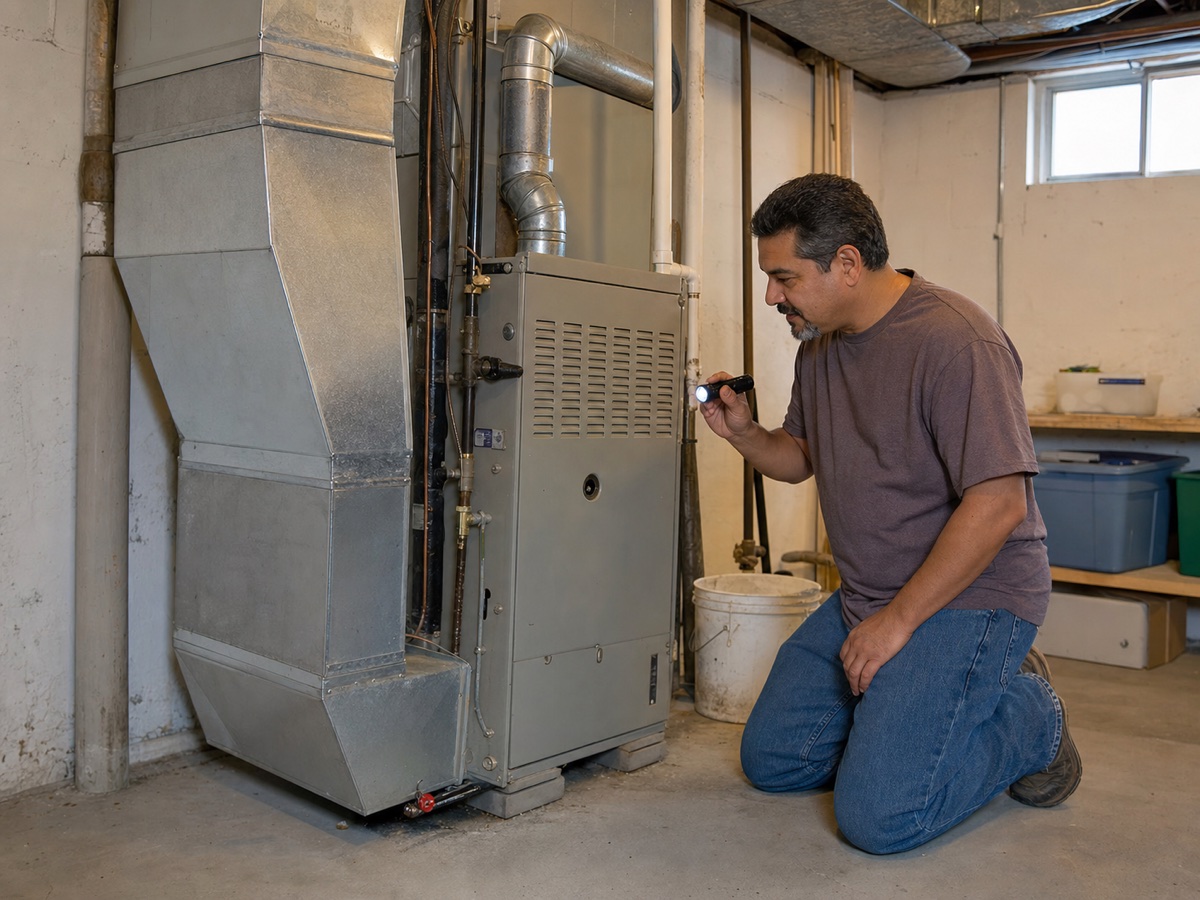
Central air also includes the indoor blower, which adds 500 to 1,000 watts whenever the system circulates air, even if the compressor is off.
- Count every window unit that runs simultaneously for a fair comparison.
- Consider that window units block the window and can be a security concern.
- Central systems usually last 15 to 20 years; window units last 5 to 10 years.
Seasonal and household factors
A well-maintained central system with a high SEER rating can be surprisingly efficient for whole-home cooling, especially in climates with long cooling seasons. Window units are simple to replace and may be the cheaper choice for renters or small apartments.
Your local electricity rate, the number of cooling months, and the insulation of each room all change the total cost. Use the calculator below with each system's typical wattage and runtime to compare what you would pay per month.
Rate source and limits
The default rate is the EIA U.S. residential average for April 2026, retrieved July 16, 2026. It is an average revenue per kilowatt-hour, not a quote for your utility plan. Fixed fees, taxes, tiers, and time-of-use prices can change the bill.
Open the EIA source