Efficiency makes the difference
A 1,500-watt space heater generates exactly the same amount of heat as the electricity it consumes (100% efficient). However, a heat pump moves heat from outside rather than creating it from scratch, meaning it can produce 3 to 4 times more heat for the same amount of electricity.
- Space heaters cost more per hour if trying to heat the same square footage.
- Heat pumps have higher upfront installation costs but lower monthly bills.
When space heaters win
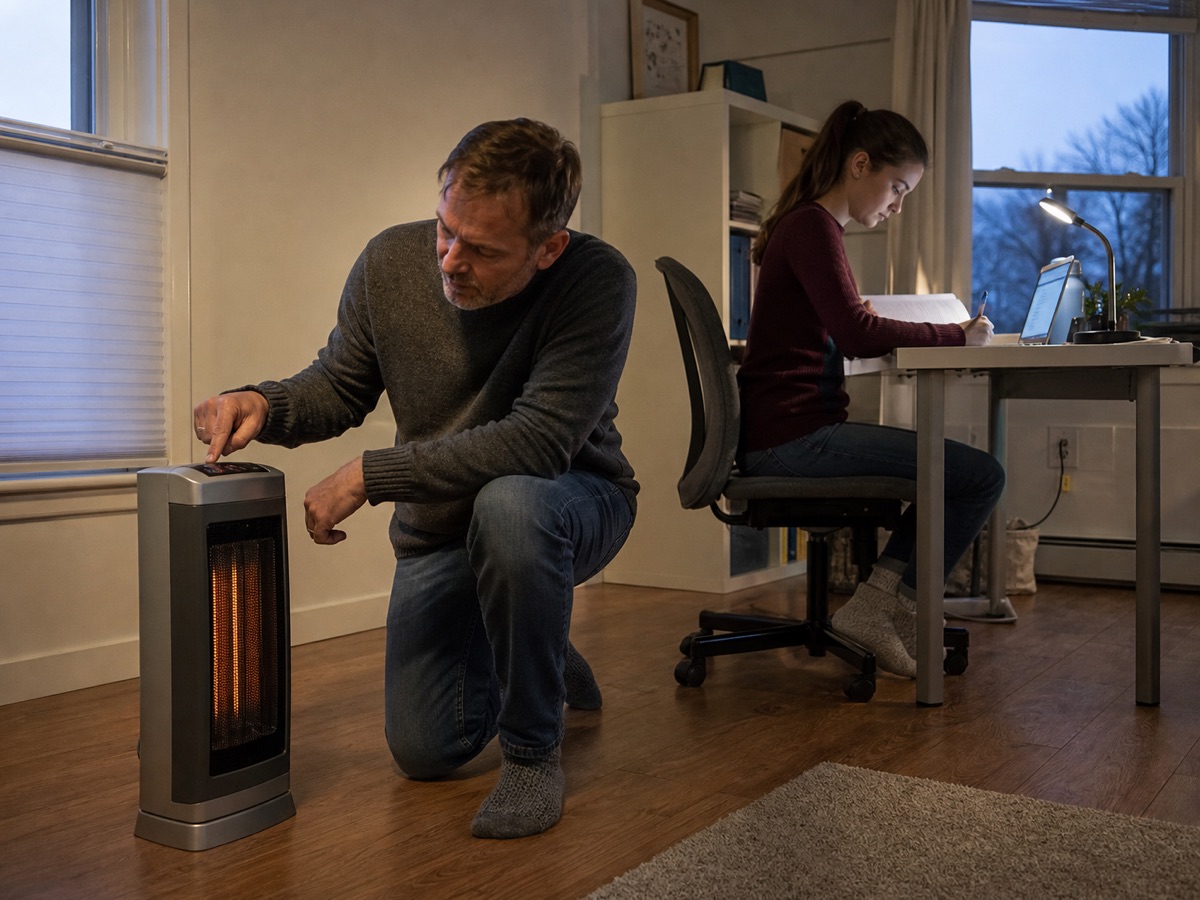
If you only need to heat a single small room for a few hours, lowering your whole-house thermostat and running one space heater can save money. This strategy is called 'zone heating'. However, if you plug in three or four space heaters across the house, you will likely spend more than running the central heat pump.
Compare the real cost
To find out exactly how much you can save, calculate the hourly cost of your space heater based on its wattage and your local electricity rate, and compare it to the estimated heating portion of your winter utility bill.
Rate source and limits
The default rate is the EIA U.S. residential average for April 2026, retrieved July 16, 2026. It is an average revenue per kilowatt-hour, not a quote for your utility plan. Fixed fees, taxes, tiers, and time-of-use prices can change the bill.
Open the EIA source