Start with the EnergyGuide estimate
A chest freezer's annual energy use is usually listed on its yellow EnergyGuide label. Divide that number by 12 for a monthly average. For a typical 15-cubic-foot manual-defrost chest freezer, the annual estimate is often 300 to 500 kWh, or about 25 to 42 kWh per month.
Auto-defrost models and larger freezers use more energy because the defrost heater cycles on periodically to clear frost from the cooling coils.
Factors that change real-world use
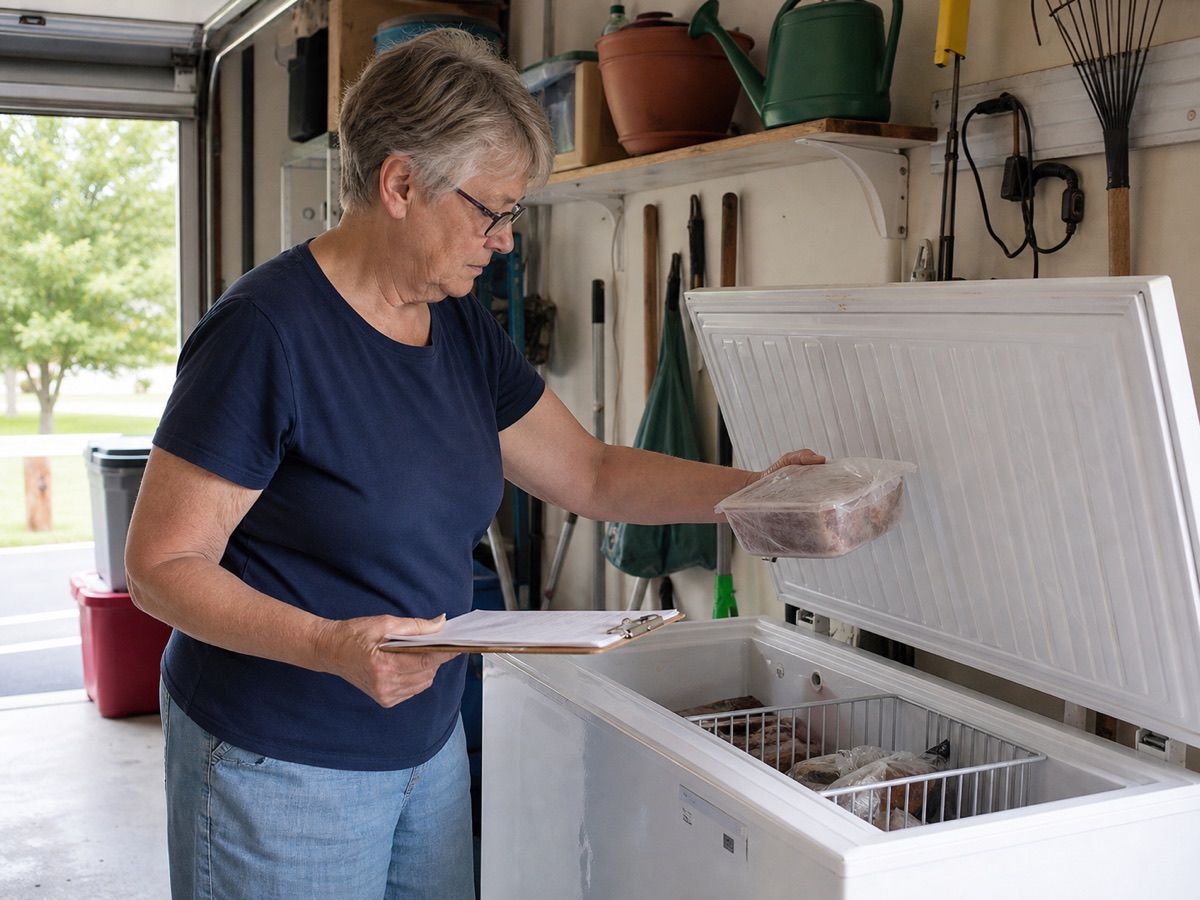
A chest freezer in a hot garage or basement can use more energy than one in a climate-controlled room. Opening the lid frequently, storing warm food, and leaving space around the items also make the compressor work harder. A full freezer holds cold better than an empty one.
- Keep the freezer in a cool, dry location away from direct sunlight.
- Defrost manually when frost exceeds half an inch to maintain efficiency.
- Check the door seal regularly for cracks or gaps.
Compare with a refrigerator freezer
A chest freezer is typically more efficient than the freezer compartment of a refrigerator because it has a single large door that lets less cold air escape when opened. If you need extra frozen storage, a dedicated chest freezer can be cheaper to run than upgrading to a larger refrigerator.
Rate source and limits
The default rate is the EIA U.S. residential average for April 2026, retrieved July 16, 2026. It is an average revenue per kilowatt-hour, not a quote for your utility plan. Fixed fees, taxes, tiers, and time-of-use prices can change the bill.
Open the EIA source