Setback the thermostat — but carefully with heat pumps
For resistance heat (baseboards, furnaces), every 1°F setback for 8 hours saves ~1 percent. For heat pumps, aggressive setback can trigger expensive backup resistance heat during recovery, erasing savings. Use a heat-pump-aware smart thermostat that limits setback to 1–2°F and stages recovery gradually.
Recommended: 68°F when home, 65°F overnight/away for resistance heat; 68°F/66°F for heat pumps. Avoid the 'hold' feature that overrides the schedule.
Heat pump maintenance = efficiency
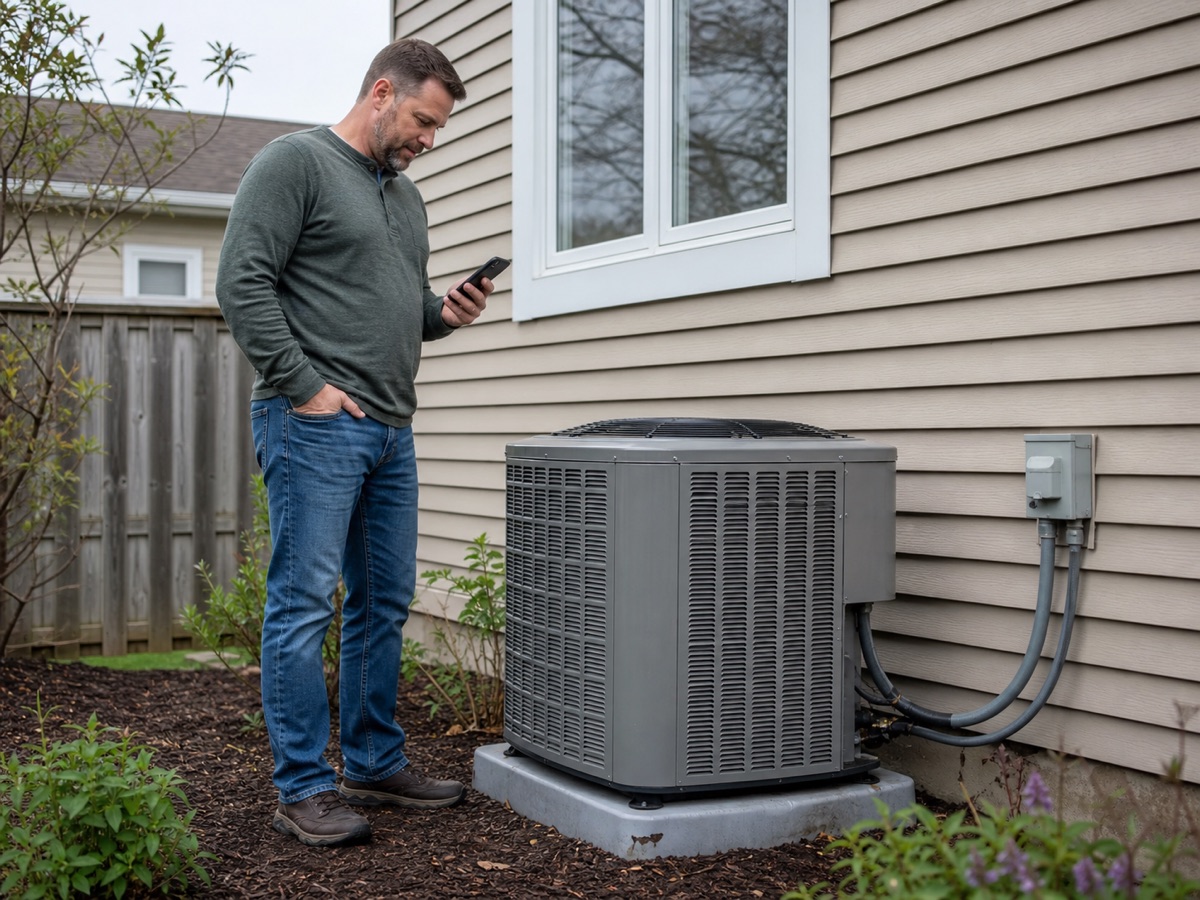
A dirty outdoor coil, low refrigerant charge, or clogged filter can drop COP (coefficient of performance) from 3.5 to 2.0, doubling electricity use for the same heat. Clean the outdoor unit (gently, with a garden hose), replace the filter monthly, and schedule a professional check every 1–2 years to verify charge and defrost operation.
- Clear snow/ice from the outdoor unit; never chip ice with tools.
- Keep supply and return registers unobstructed by furniture or drapes.
- Verify the defrost cycle runs; excessive defrost wastes energy.
Air sealing and insulation — the passive savings
Air leaks around windows, doors, rim joists, and penetrations (pipes, wires, recessed lights) can account for 25 to 40 percent of heating load. Caulk, weatherstrip, and spray foam are low-cost, high-return fixes. Attic insulation to R-49 (climate zone 4–5) or R-60 (zone 6+) pays back in 3–7 years.
Water heating and appliance timing
Water heating is often the #2 electric load after space heating. Set the tank to 120°F, install a timer to cut power during sleep hours (if not heat-pump water heater), and insulate the first 6 feet of hot and cold pipes. Run dishwasher and clothes washer with full loads on cold cycles when possible; modern detergents work well in cold water.
- Heat-pump water heaters use 50–65% less energy than resistance tanks; 2- to 4-year payback.
- Dry consecutive loads; clean the lint filter and vent annually.
- Keep the freezer full; frozen mass holds temperature better than air.
Upgrade priorities by payback
1. Heat-pump-aware smart thermostat ($150–250) — 1- to 2-year payback. 2. Air sealing + attic insulation ($500–2,000) — 3- to 7-year payback. 3. Heat-pump water heater ($1,500–2,500) — 2- to 4-year payback vs. resistance. 4. Cold-climate heat pump (if replacing resistance/furnace) — 5- to 12-year payback depending on fuel displaced. Use the upgrade calculator to model your home.
Rate source and limits
The default rate is the EIA U.S. residential average for April 2026, retrieved July 16, 2026. It is an average revenue per kilowatt-hour, not a quote for your utility plan. Fixed fees, taxes, tiers, and time-of-use prices can change the bill.
Open the EIA source